The Character Test: Why Britain's Small Stays Are Stealing the Show in 2026
Photo: Linden Milner, CC BY-SA 2.0, via Wikimedia Commons
There is a particular sound in a good small hotel: a kettle being filled, a front door being unlocked, a host asking whether you slept well. It is not a branded sound. In 2026, that matters more than ever. The UK has always had a strong independent hotel and B&B tradition, but the last few years have pushed travellers towards places with a bit more personality. At PJ Hotel, we are biased: we like comfortable stays with thoughtful hosting. But this is not nostalgia for creaky floors and handwritten signs. The best independent stays are winning because they are genuinely better at the things that make a trip feel easy.
Why small feels different
A chain hotel promises consistency. You know the room layout, the check-in process, and the breakfast buffet before you arrive. That is useful, especially for late arrivals and short city breaks. An independent hotel promises something else: a sense of place. It might be a townhouse in Bath, a pub with rooms in the Yorkshire Dales, a farmhouse in Norfolk, or a small guesthouse in the Scottish Borders. The building has a history, the host knows the area, and the breakfast is not an afterthought.
The difference is not size alone. A 20-room independent can feel corporate if the owners are absent. A 60-room family-run hotel can feel intimate if the team is visible. What matters is whether someone is actually hosting. In 2026, travellers are more alert to that distinction. They can see through a lobby that looks boutique but operates like a call centre.
What thoughtful hosting looks like
Thoughtful hosting is not a performance. It is the accumulation of small, useful things. A host who texts you the door code before you arrive. A note in the room that explains which pub does good food and which one is just convenient. A breakfast that starts early enough for a walking day. A straight answer about parking. A room that has been aired before you walk in.
It also means honesty. A good independent hotel will tell you if the stairs are steep, if the church bells ring on Sunday morning, or if the restaurant is closed on Mondays. That kind of detail is worth more than a generic welcome folder. It shows that the people running the place have actually thought about your stay rather than just the room rate.
The rise of character-rich stays
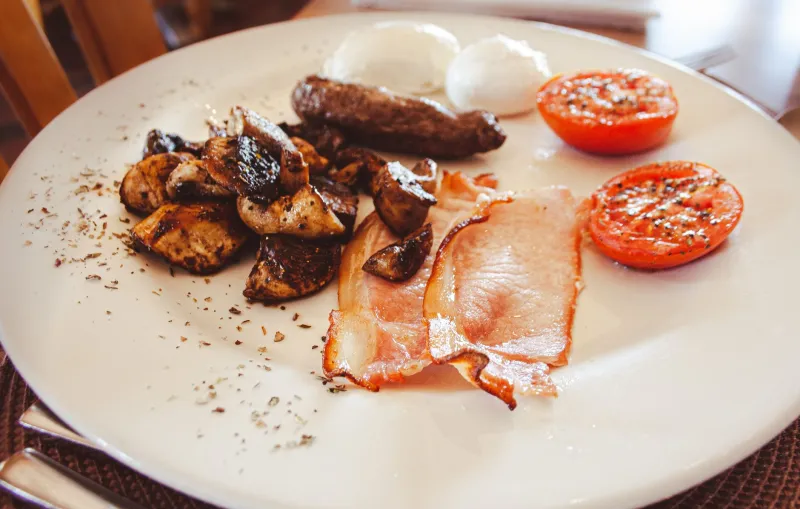
The UK has a deep bench of character-rich accommodation. Pub-with-rooms have had a strong revival, especially in the countryside, where a good kitchen and a comfortable bed can anchor a whole weekend. Farmhouse B&Bs have become more design-led without losing their warmth. Townhouse hotels in cities are using local art, independent coffee, and small breakfast menus to stand out from the chains.
This is not just a rural story. Cities like Bristol, Glasgow, Manchester, and Norwich have independent hotels that feel rooted in their neighbourhoods. They may not have a spa or a gym, but they often have better coffee, more interesting rooms, and staff who can tell you where to eat on a Tuesday night. For UK travellers, that local knowledge is increasingly the point.
Finding the hidden gems
Start with the hotel's own website, but do not rely on the gallery alone. Look at photos of the actual rooms, not just the lobby. Read recent reviews and search for mentions of the host, the breakfast, and the location. A review that says 'the owner could not have been more helpful' is a better signal than a generic five-star score. Check whether the hotel has a direct booking option; small places often benefit from it, and you may get a better rate.
Use local tourism boards, independent hotel collections, and word of mouth. Ask friends who live in the area. If you are looking at a pub with rooms, check the food reviews separately from the room reviews. A great pub does not always make a great hotel, and vice versa. If you need parking, accessible rooms, or a late check-in, ask before you book. Small places can be flexible, but they cannot always solve a problem they do not know about.
Questions worth asking before you book
Is breakfast included, and is it cooked to order? Is there a host on site in the evening, or is it self-check-in? What time is check-in and check-out, and is there any flexibility? Is there parking, and is it on site or nearby? Are there stairs, and is there a lift? Is the restaurant or bar open on the night you arrive? What is the cancellation policy? Are dogs welcome, and is there a charge? These questions take two minutes to send and can save a lot of friction later.
When a chain still wins
It would be silly to pretend independent always beats chain. If you are arriving at 11pm near a motorway, need a guaranteed accessible room, or want a gym and a loyalty scheme, a chain may be the sensible choice. The point is not to reject chains. It is to stop treating them as the default. In 2026, the UK has too many good small hotels to settle for a beige room beside a ring road without at least checking what else is nearby.
The PJ Hotel take
Character is not a design style. It is the result of people paying attention. The best independent stays in the UK are not winning because they are quirky. They are winning because they are comfortable, well run, and hosted by people who seem to want you there. That is a simple standard, but it is harder to fake than a branded pillow. If you are planning a trip this year, look a little closer at the small places. The odds are good that you will come back with a recommendation of your own.