A Good Night's Sleep Starts at Booking: Finding Calm in UK Hotels This Year
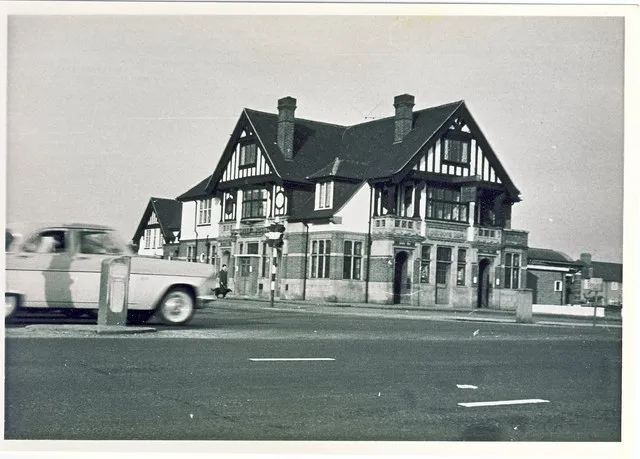
Photo: Clive Warneford, CC BY-SA 2.0, via Wikimedia Commons
There is a particular kind of disappointment that comes from checking into a hotel, unpacking, putting the kettle on, and then hearing the first thump of a wedding disco or the 6am rattle of a delivery lorry. You have paid for comfort, and what you have got is a front-row seat to someone else's early start. The good news is that a calm room is not usually down to chance. It is down to a bit of homework, a few polite questions, and knowing what to ask before you arrive.
Start with the room description, not the photograph
Hotel photographs are designed to sell the dream: crisp linen, soft lamps, a jaunty cushion. They are less good at showing you that the room sits above a busy bar or beside the lift shaft. Read the room description properly, and look for clues in the wording. A "cosy" room may be small and internal. A "character" room in an old building may come with original sash windows that let in every seagull and street conversation. A "ground-floor garden room" can be lovely, but it may also be the first thing guests walk past on their way back from dinner.
Check the hotel's own website rather than relying only on a booking platform. Look at the floor plan if there is one. See whether the hotel mentions functions, weddings, live music, or a pub downstairs. None of these are deal-breakers, but they are useful facts. A hotel that tells you about them is usually a hotel that understands guests might want to choose accordingly.
Ask questions that get a real answer
"Is it quiet?" is a fair question, but it invites a vague yes. Better to ask something specific: "Is this room on the road side or the courtyard side?" "Is there a function on during our dates?" "Are the windows double-glazed, and do they open?" "Is the room near the lift or the plant room?" These questions show you are thinking about your stay, and they give staff something concrete to answer.
It also helps to explain what quiet means to you. One person's peaceful break involves a pub garden with a bit of chatter; another wants silence from 10pm. If you are a light sleeper, say so when you book. If you are travelling with a baby, mention it. If you have stayed before and liked a particular room, ask whether it is available. Small requests made early are much easier to accommodate than a complaint made at midnight.
Think about where the room sits in the building
In UK hotels, the usual noise suspects are fairly predictable. Street-facing rooms in town centres can catch late-night revellers, bin collections, and early deliveries. Rooms above a bar or restaurant may carry music and scraping chairs. Older buildings can have creaky floorboards and thin walls, which is part of their charm until the guest above decides to rearrange furniture at 7am. Seaside hotels have gulls. Country-house hotels have weddings. City hotels have trams, buses, and the occasional siren.
Ask for a room away from the lift, stairs, and main corridor if possible. A courtyard-facing room is often calmer than a front-facing one. A top-floor room may be quieter overhead, but it can be hotter in summer and colder in winter. There is no perfect room for everyone, but there is usually a better one for you.
Time your stay and your requests
Weekends in popular UK towns can be lively, especially in places with a strong stag and hen party trade. If you are booking a Friday or Saturday night, ask directly whether there is a function or late-licence venue nearby. Midweek stays are often quieter, and Sunday nights can be a bargain in city hotels. If you are visiting for a specific event, check what else is on that weekend. A peaceful hotel can feel very different when a festival, race day, or football match is in town.
If you are worried about noise, ask for a room change before you unpack, not after you have had a bad night. Staff would much rather move you on arrival than deal with a tired complaint the next morning. Be friendly about it. A calm, specific request usually gets a better result than a general huff.
Pack a little insurance
A few small things can make a difference: earplugs, an eye mask, and a white-noise app on your phone. If you are sensitive to light, check whether the curtains actually close properly. If you need absolute darkness, a travel blackout blind can be a surprisingly good investment. None of this is glamorous, but it is practical. A good hotel should provide the basics; you can provide the backup.
If noise does disrupt your stay
Tell reception promptly and calmly. Say what the noise is, when it started, and what you would like them to do. Sometimes a room move is possible. Sometimes a word with another guest is enough. A good hotel will take it seriously. If the problem is ongoing, ask for the duty manager and keep a note of what was said. Most places want to put things right, and giving them the chance to do so is fair.
A peaceful stay is not about finding a hotel with no life in it. It is about finding one that understands guests need different things. Ask a few more questions at booking, be clear about what you need, and choose the room that suits the trip you are actually taking. That is not fussy. It is just good planning.
At PJ Hotel, we think a comfortable stay is made of small things done well. A quiet room is one of them.