The Pre-Arrival Note: What to Tell Your UK Hotel Before You Arrive
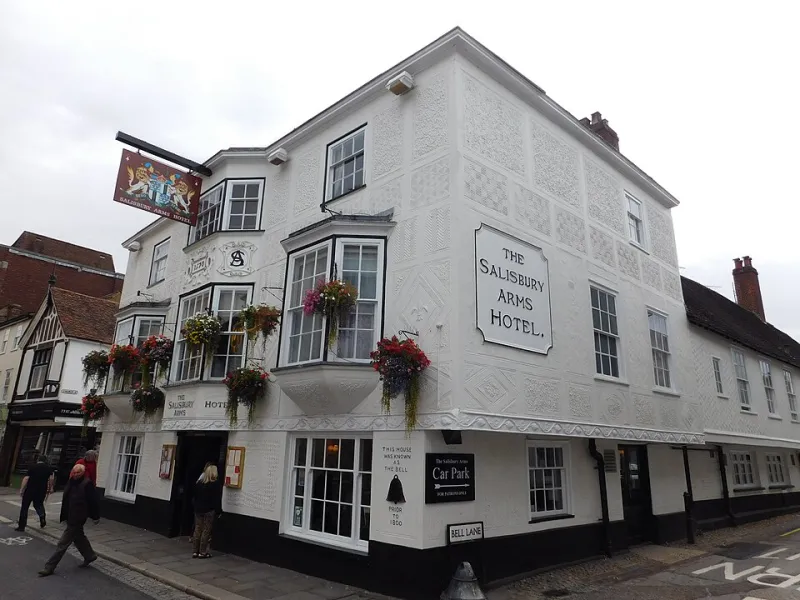
Photo: Paul the Archivist, CC BY-SA 4.0, via Wikimedia Commons
The best part of a hotel stay often begins before the front door. It starts with a short message, a quick call or a note in the booking form: we will be arriving after eight, one of us is coeliac, we would love a quiet room, and is there anywhere nearby for a proper Sunday lunch? None of these details are dramatic. Together, they are the difference between a stay that feels thoughtful and one that feels like a transaction.
At PJ Hotel, we like the pre-arrival conversation. It is not admin for its own sake. It is how hosts turn a booking into a stay that fits.
Why the pre-arrival chat matters
Hotels can prepare for what they know about. They cannot prepare for what they find out at the desk at 9pm. If you are arriving late, a heads-up means someone can keep the check-in details ready. If you need parking, it means a space can be held or a nearby alternative suggested. If you do not eat gluten, it means breakfast can be planned rather than improvised. The same goes for accessibility needs, travel cots, extra pillows and the quiet room you were hoping for. A few lines in advance can smooth all of it.
Tell us how and when you are arriving
Arrival time is the most useful detail you can give. A broad window is fine. If you are driving from another part of the UK, say whether you expect to hit Friday traffic or whether a train delay could push you later. If you are arriving after the desk normally closes, ask what the procedure is rather than hoping for the best. If you are coming by train, ask how long the walk really takes with a case and whether the route is well lit at night. These small bits of local knowledge are exactly what independent hosts are good at.
Parking, trains and the last mile
Parking is one of the most common pre-arrival questions, and one of the easiest to get wrong. Ask whether the car park is on site, how many spaces there are, whether they can be reserved, and what the height barrier or entrance is like. If you drive an electric car, ask about charging. If you are arriving by bus or train, ask which exit is best and whether a taxi is easier than walking. A good hotel will tell you honestly if the last mile is a bit awkward. That is far more useful than a map that makes everything look simple.
Food is not a small detail
Dietary needs deserve a proper mention before you arrive. If you are coeliac, ask how breakfast is handled and whether there is a separate toaster or preparation area. If you are vegan, ask what is actually available beyond fruit and toast. If you have a serious allergy, say so clearly and ask who will be on duty at breakfast. This is not fussy. It is the sort of information that lets a kitchen do its job well. The same applies if you are celebrating something, travelling with a child who has a limited menu, or hoping for a late supper after a long journey.
Food also shapes the local recommendations you will want. Tell your hosts whether you are after a casual pub, a smart dinner, a good bakery or a place that welcomes children. Ask where they would eat on their own night off. In a UK stay, that might mean a proper Sunday roast, a coastal fish supper, a quiet café for a wet afternoon, or a market stall worth the walk. The more you say about what you like, the less generic the list will be.
Special requests: be specific, not shy
A special request is easier to grant when it is specific. Rather than asking for a nice room, ask for a quiet room away from the road. Rather than saying a cot is needed, say the age of the child and whether you need a cot or an extra bed. Rather than asking for accessible access, say what would make the difference: step-free entry, a shower seat, a lower bed or space for a wheelchair. Hosts are not mind readers, and good ones would much rather have the detail than guess.
Local recommendations work best when we know what you like
A hotel recommendation is only useful if it fits the guest. Some people want the famous place within walking distance. Some want the small museum, the independent bookshop or the walk that locals do on a Sunday. Tell your hosts whether you have a car, how far you are happy to walk, and whether you want somewhere bookable or somewhere casual. If you are travelling with children or older relatives, say so. The best local tips are not the longest list. They are the ones that match the people asking.
What we wish you would tell us
We wish more guests would tell us about the things that matter to them before arrival. That includes the obvious: late check-in, parking, dietary needs and accessibility. It also includes the less obvious: a birthday, a first trip to the area, a need for a quiet room, a preference for a bath over a shower, or a request for local walks rather than restaurants. None of it is too small. It gives us a chance to make the stay feel considered. It also helps us be honest if something is not possible. A clear no in advance is much better than a surprise on arrival.
A short checklist for your booking message
Before you travel, send a short note with your expected arrival time, how you are getting there and whether you need parking. Mention any dietary needs or allergies. Ask about the room details that matter to you, such as quietness, bed type, stairs or accessibility. Say if you are travelling with children or need a cot. Add one or two lines about what you enjoy, whether that is a good breakfast, a local pub, a long walk or an early night. That is usually enough for a host to work with.
The thoughtful stay starts before the door
A hotel stay is a two-way conversation, even if most of it happens before you arrive. Guests who share a little help hosts prepare. Hosts who ask the right questions make guests feel expected. It is not about writing an essay in the booking notes. It is about giving the people looking after you enough information to look after you well. The result is simpler than it sounds: a room that suits, a breakfast that works, a parking space that exists and a recommendation worth following.