Room With a Clue: Matching a UK Hotel Room to the Trip You’re Actually Taking

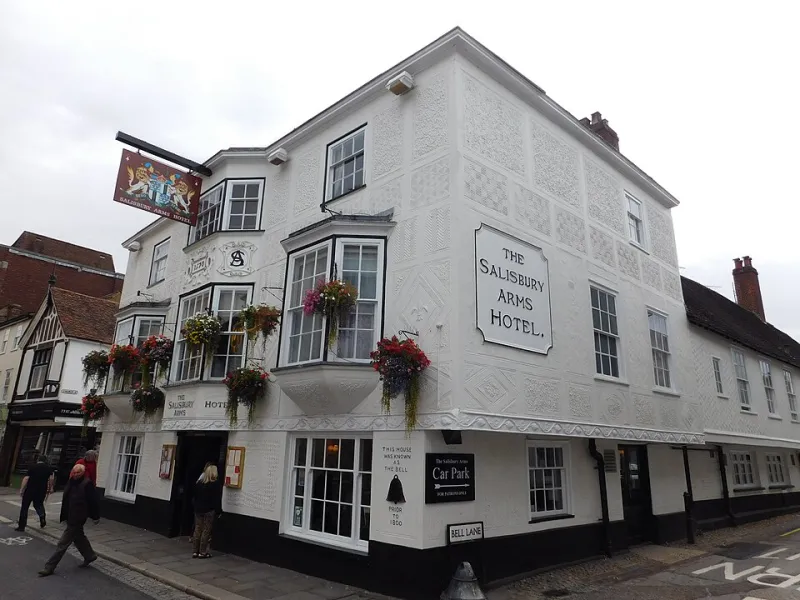
Photo: Neil Owen , CC BY-SA 2.0, via Wikimedia Commons
Most hotel bookings begin with a date and a price. The room itself can feel like an afterthought: a double is a double, a twin is a twin, and surely the photos will tell you the rest. In practice, the room is where the trip either settles into place or quietly works against you. A short break can be made by a quiet corner and a decent chair. A family weekend can be undone by a sofa bed that looked more generous online than it does in person. The useful question is not which room is best in general, but which room is best for the way you actually travel.
Start with the trip, not the room type
Before comparing rates, picture the stay as it will really unfold. Are you arriving late and leaving early? Will you work for a morning before heading out? Is the trip built around long lie-ins, or will the room mostly be a place to drop bags and recharge? A solo city break, a couple’s weekend, a work stay and a family visit all ask different things of a room. The answers point you towards layout, storage, quietness and bed arrangement far more reliably than a glossy gallery does.
At PJ Hotel, we have a simple view: a comfortable stay is not about cramming in the most features. It is about matching the room to the guest. That starts before you book.
What UK room descriptions are really saying
UK hotel room language has its own shorthand. A compact double may be perfectly formed, but it may also mean limited floor space and little room for two open suitcases. A cosy room is often a polite way of saying small. A family room might mean a proper separate space, or it might mean a standard room with a sofa bed. A twin is usually two single beds, but not always the same size. An en-suite means a bathroom inside the room, while a private bathroom might be across a corridor. These differences matter, especially in older buildings where no two rooms are quite alike.
Words such as annexe, coach house, garden room and lower ground floor are worth noticing too. They can be charming and peaceful, or they can mean a short walk outside, a flight of stairs, or less natural light. None of that is automatically a problem. It is only a problem if it does not suit you.
Solo city breaks: small can be smart
For a solo traveller, a compact room can be a sensible choice. You may not need acres of space, and a smaller room in a well-placed independent stay can leave more budget for the things you came to do. The details to check are practical ones: somewhere to put a cabin bag without tripping over it, a bedside socket, a mirror near natural light, and enough hanging space for a coat and a change of clothes. If you are arriving by train, ask how walkable the final stretch really is, especially with a case.
Couples and friends: bed arrangements matter
A double bed is not a universal comfort. Some couples prefer a king, some friends want two proper singles, and some rooms described as doubles are really small doubles. If bed size matters, ask for the measurements or the bed type by name. If you are travelling with a friend, do not assume a twin will have equal bedside access, reading lights or space on both sides. A quick question before booking is far easier than an awkward reshuffle on arrival.
Family weekends: count the sleepers, not the beds
Family rooms can be generous, but they can also be clever use of limited space. A sofa bed may suit two children far better than two adults. A bunk room may be brilliant for younger children and less so for teenagers. Check how many people the room actually sleeps in proper beds, and ask whether a travel cot counts as an extra person. If you need early nights, bath time and a little adult space after the children are down, a separate seating area or a room with a divider can be worth more than a larger television.
Work stays: desk, light and a reliable socket
For a work stay, the desk matters more than the decor. A dressing table is not always a desk, and a stool is not always a chair. If you need to take calls, ask whether the room is near a lift, a bar or a main road. If you need to work early, check that the room has decent natural light and a socket near the desk. These are small things, but they decide whether a room feels like a place to think or a place to perch awkwardly with a laptop.
Accessible needs: ask specific questions
Accessible rooms vary widely, and general assurances are less useful than specifics. Ask about step-free access from the entrance to the room, door widths, bathroom layout, grab rails, shower type and bed height. If you use a mobility aid, ask whether the room has enough turning space and whether the lift serves the floor without a further set of stairs. A listed building can be full of character and still be difficult to navigate. Good hosts will welcome the questions and give straight answers.
Quiet, storage and the details that decide comfort
Quietness is rarely listed as a room feature, but it is often the thing guests remember. Rooms above a bar, beside a lift, facing a busy road or under a creaking staircase can all be perfectly pleasant, or perfectly irritating, depending on the night. If you are a light sleeper, say so when booking. Ask for a quieter room away from the main road or communal areas, and ask whether the windows are secondary glazed. Storage is the other quiet decider. Two people sharing a room for three nights need more than two hangers and a single chair. Look for wardrobes, drawers, luggage space and somewhere to hang a wet coat.
Questions worth asking before you book
A short message to the hotel can save a lot of guesswork. Ask how many people the room comfortably sleeps, not just how many it can accommodate. Ask about bed sizes, floor level, lift access, stairs and outlook. If you are arriving late, ask whether check-in is staffed at that hour. If you are driving, ask about parking space size and whether it can be reserved. If you need a quiet room, ask what the hotel can do rather than assuming the request will be lost. The best independent stays would rather have the conversation now than see a guest disappointed later.
The PJ Hotel view
A room should fit the trip, not the other way round. That might mean choosing a smaller room in a better location, a family room with a genuinely separate sleep area, or a work-friendly room with a proper desk and a door that closes out the bar chatter. It might mean paying a little more for quiet, or a little less for compact charm. The right match is the one that lets you get on with your stay. Read the description closely, ask the specific question, and choose the room that suits the way you actually travel.