The Quiet Middle: A 2026 Case for Tuesday and Wednesday UK Hotel Stays
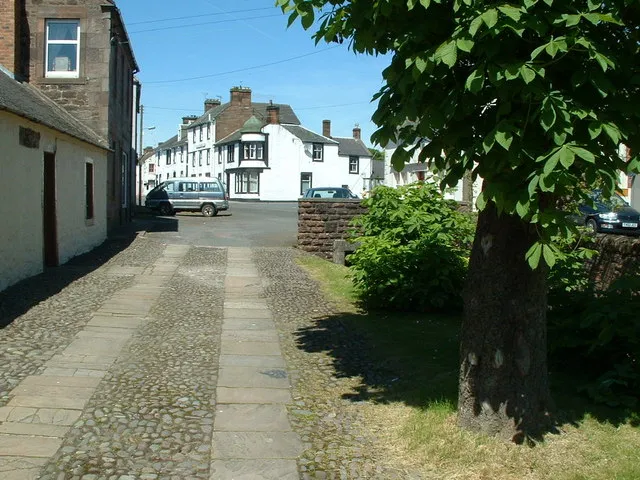
Photo: Nigel Homer, CC BY-SA 2.0, via Wikimedia Commons
The quiet middle of the week
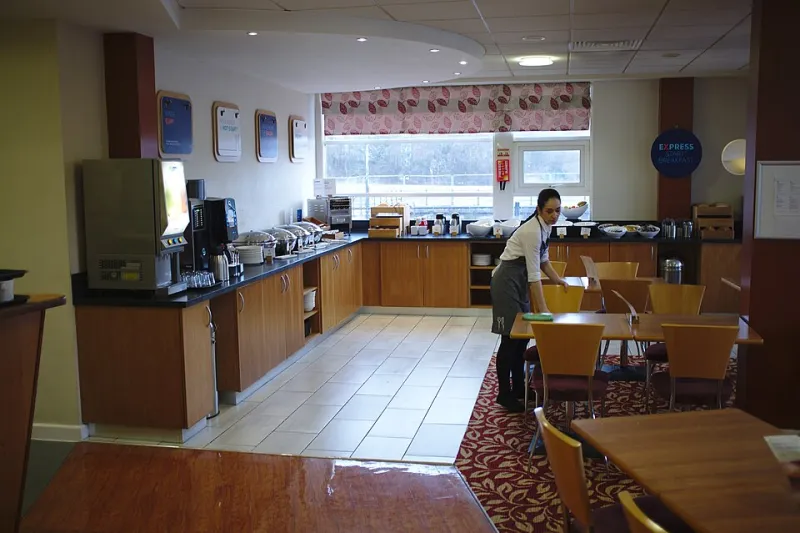
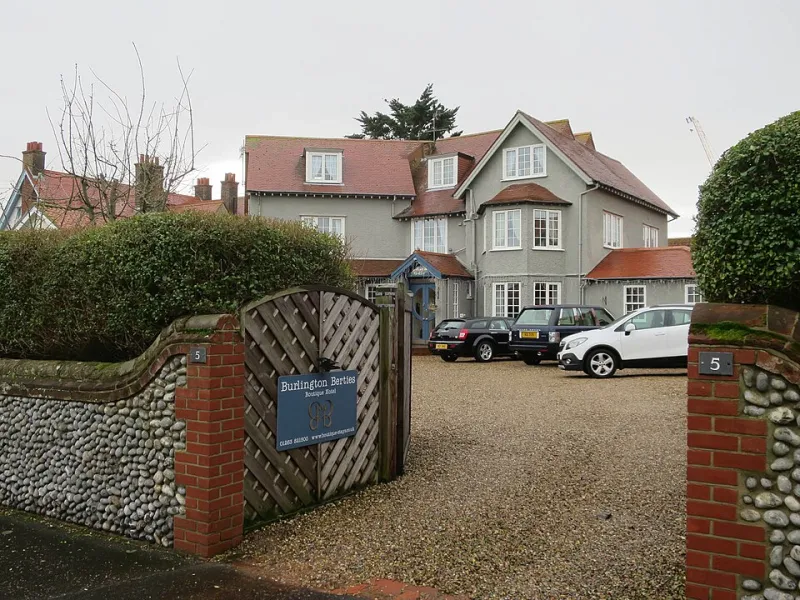
In 2026, the UK hotel break does not have to begin on a Friday. For anyone who can move a night or two, Tuesday and Wednesday are often the sweet spot. The public rooms are calmer, the room stock is wider and the reception desk has more time to tell you where to eat, walk or hide from the rain.
This is not a secret, exactly. It is more of an open secret that gets forgotten when we book in a hurry. We default to the weekend because that is when everyone else goes. But a midweek stay can feel like a different hotel — and, in some cases, a different town.
Who benefits most
Midweek works best for travellers with a little flexibility. That includes:
- Remote and hybrid workers who can take two days away without using a full week of leave.
- Couples or friends with jobs that allow a Tuesday and Wednesday off.
- Solo travellers who want quieter public spaces and an easier time at breakfast.
- People visiting a town rather than a resort: cathedral cities, market towns, spa towns and coastal spots out of season.
- Dog owners, provided the hotel is genuinely dog-friendly and the local walks are open.
It is less useful if you are tied to school holidays, a specific event or a weekend wedding. In those cases, the midweek advantage disappears. But if the dates are yours to choose, the middle of the week is worth a look.
What to ask when booking
A midweek booking is not just a cheaper version of a weekend. It pays to ask a few practical questions before you commit.
- Is the kitchen open on both nights? Many UK hotel restaurants run shorter hours early in the week.
- What time is breakfast, and is the full cooked option available on Tuesday and Wednesday?
- Will housekeeping service the room during a two-night stay, and when?
- Is parking available, and are there any arrival restrictions?
- Which room is quietest? Ask specifically about proximity to the lift, bar, kitchen extractor or road.
- Is late checkout possible on the Thursday?
- Are there local events, closures or market days that might affect the town?
- If you have accessibility needs, ask about step-free routes from reception and any old-building quirks.
You do not need to interrogate the receptionist. A short email or a quick call is enough. The answers often tell you as much about the hotel as the website does.
Build the stay around a town, not just a bed
The best midweek break has a shape. Two nights gives you a full day in the middle, which is the real prize. Rather than treating the hotel as a base for a list of attractions, pick a town with a Tuesday or Wednesday rhythm and let that rhythm do some of the work.
Market towns often have their main market midweek. Cathedral cities are quieter once the weekend crowds have gone. Spa towns have a slower pace that suits a Tuesday afternoon. Coastal towns in autumn or early spring can be bracing in the best way, with sea views and no queue for the harbour wall.
Choose one anchor for the full day — a museum, a gallery, a long walk, a good lunch — and leave the rest loose. The point of midweek is not to cram more in. It is to have a little more room around the things you do.
A simple two-night shape
Arrive on Tuesday afternoon. Drop your bags, take a short walk around the high street or the nearest park, and book an early dinner. You will be surprised how much town you can see before the evening news.
On Wednesday, take breakfast slowly. Use the quiet morning for the thing you came to see. Then have a proper lunch, a wander and a rest before dinner. Ask reception for a recommendation that is not on the first page of a search engine. With fewer guests arriving, they often have time to point you towards the small place they actually like.
On Thursday, have breakfast, take one last short walk and head home. If the hotel will hold your bags for a couple of hours, use them. The final morning is part of the trip, not just the exit.
The midweek conversation at reception
Midweek reception desks are usually less rushed. That is your chance to ask the questions that make a stay feel local: Where would you go for a walk if you had an hour? Which café is open on a Wednesday? Is there a market tomorrow? Is the castle worth the hill?
You will not always get a perfect answer. But a thoughtful hotel will have one, and the conversation is part of the hosting. It is also a good test of whether the place is run by people who know the town or by a screen.
Why it feels different in 2026
The past few years have changed how many of us work, and the midweek break has become more practical for more people. In 2026, a Tuesday and Wednesday away can feel less like an indulgence and more like a sensible use of two days. The hotel is quieter, the town is calmer and the rate is often kinder.
None of this means weekends are off-limits. They are still the right choice for celebrations, school holidays and the simple pleasure of a Saturday morning lie-in. But if you have any flexibility at all, the quiet middle of the week deserves a look. Book the room, ask a few good questions and build the trip around the town rather than the bed.