Before the Key Card: Turning a UK Arrival-Day Wait Into Part of the Break
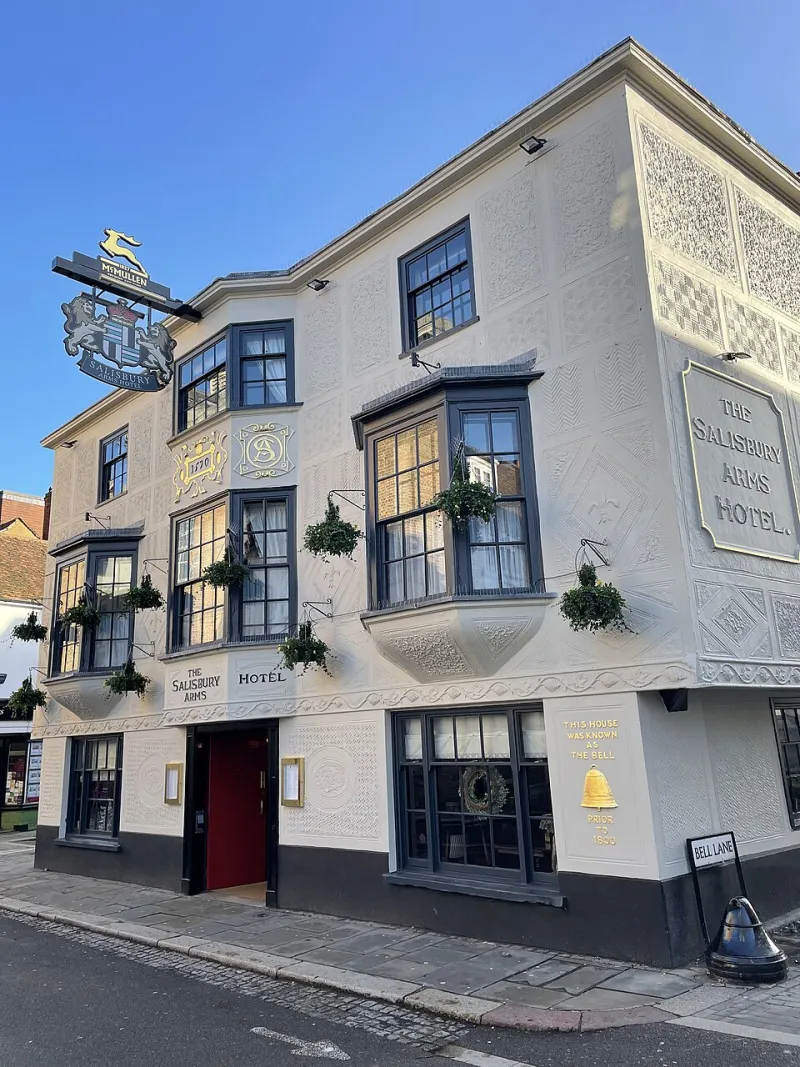
Photo: IrishCornelius, CC BY-SA 4.0, via Wikimedia Commons
The train gets in at 11:40. The hotel check-in time is 3pm. Somewhere between the station and the reception desk sits a very British sort of limbo: you have arrived, but you have not quite arrived. The bags are heavy, the town is waiting, and the lobby sofa suddenly looks like the only option.
It does not have to be that way. With a little planning, the hours before your room is ready can become a genuinely useful part of the break. Not a frantic sightseeing dash, and not a marathon sitting session with a lukewarm coffee. Just a sensible, comfortable bridge between the journey and the stay.
Make the bag problem boring first
The single best thing you can do for arrival day is to stop hauling your suitcase around. Most UK hotels, from small seaside independents to city-centre stays, will hold luggage before check-in. Some call it a luggage room, some call it left luggage, and some will simply tuck your bags behind reception. The important thing is to ask before you arrive, not to turn up and hope.
A quick call or email the day before is enough. Confirm three things: whether they can store bags, what time the storage opens, and whether it is a secure room or a supervised area. If you are staying somewhere without a manned reception, ask about key safes or self-service storage. It is also worth checking whether there is a left-luggage facility at the station, especially if you are arriving early and the hotel is a bus ride away.
Then pack a small day bag. This is the bag that stays with you: charger, medication, a layer for the inevitable change in weather, a toothbrush if you are coming off a long journey, and an umbrella that has actually been tested. Everything else can disappear into storage. You will enjoy the town far more without a wheeled suitcase trying to mount the kerb behind you.
Ask for early check-in, but ask well
Early check-in is one of those things that is never guaranteed and always worth asking about politely. If you booked direct, mention it when you book or in the pre-arrival note. If you booked through a third party, call the hotel directly and ask what is possible. Be specific: say what time you expect to arrive and whether you would be happy with any available room rather than the one originally allocated.
What tends to work less well is turning up at 10am and asking housekeeping to perform a miracle. Rooms need cleaning, bedding needs changing and the team is usually working to a schedule. A calm request is fine. A demand is not. If you have a genuine need, such as travelling with a baby, recovering from a long journey or managing a medical condition, say so. Hotels are generally good at helping when they understand the reason.
If early check-in is not possible, ask what else is. Can you use the lounge? Is there a quiet corner with a plug socket? Can you leave a bag in a secure spot and come back later? A good hotel will tell you plainly what it can and cannot do, and that honesty is worth more than a vague promise.
Build a two-hour plan, not a lobby sentence
The mistake many of us make is treating the wait as dead time. We sit down, check the phone, look at the clock and gradually become irritated by the reception desk. A better approach is to choose one small, low-stakes thing to do nearby. Not a full itinerary. Just an anchor.
Think of the sort of place that does not punish you for arriving with a bag and half a plan. A town museum with a decent café. A covered market. A cathedral or a library. A park with a bench and a view. An independent cinema showing something at midday. A pier, if the weather is playing nicely. The goal is not to tick off an attraction. It is to get your bearings and remember why you came.
Have a wet-weather backup too. In the UK, an arrival-day plan that depends entirely on sunshine is not a plan; it is a hope. A gallery, a bookshop, a long lunch or a cup of tea in a proper café will do the job just as well.
Do not overlook lunch
Arrival day often involves a strange meal pattern. You eat something on the train, then you are too early for dinner, then you are starving by 4pm. A sensible lunch solves this. A pub lunch, a bakery stop or a market stall is usually more enjoyable than a sad sandwich eaten while guarding your bags. It also gives you a reason to sit down, take stock and plan the rest of the day without feeling as though you are loitering.
If you are travelling with children, aim for somewhere with space and a quick exit. If you have a dog, check ahead for a dog-friendly café or pub. If you are on your own, a counter seat or a window table can be far more comfortable than a formal restaurant.
The lobby is not the only waiting room
Some hotel lobbies are genuinely pleasant places to spend an hour. Others are simply a place to stand with your phone. If yours falls into the second category, do not force it. Ask the team where locals go for a coffee, or which street is worth a wander. That question often produces better recommendations than any search result, and it turns a functional conversation into a small piece of hosting.
The wait is part of the trip
There is a reason check-in times exist, and it is usually a good one: housekeeping needs the room to be properly ready. The trick is to stop seeing the gap as an inconvenience and start seeing it as a bonus first look at the place. You are not in limbo. You are early, and early is a nice way to arrive.
So call ahead about the bags, pack the day bag, ask for early check-in without making it a demand, and choose one small thing to do. Then let the key card come later. The town can start first.