Reserved, Not Spent: Understanding Card Holds at UK Hotels
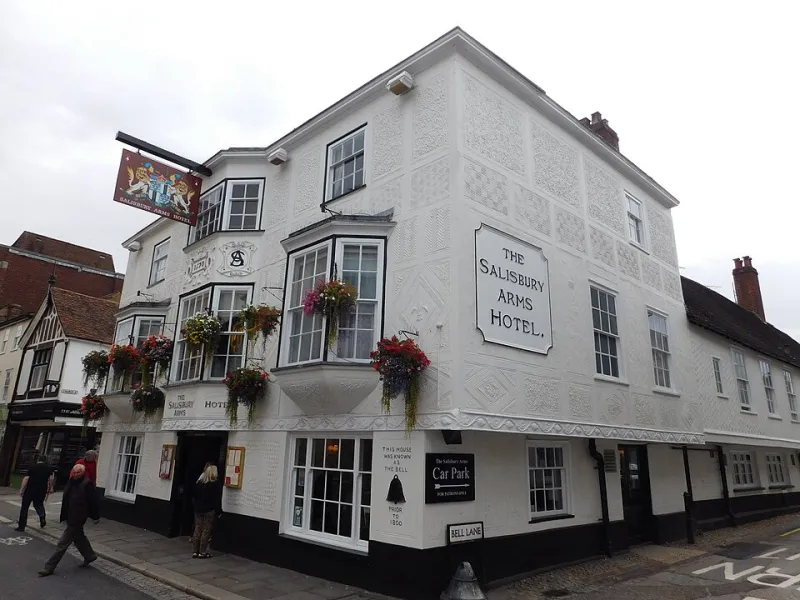
Photo: Paul the Archivist, CC BY-SA 4.0, via Wikimedia Commons
There is a small moment at many UK hotel desks that catches people out. You hand over your card, the receptionist taps away, and a figure appears on the machine. It might be the room rate, or the room rate plus a little more. It can look like you have just paid for the stay twice. In most cases, you have not. What you are seeing is a card check doing its quiet administrative work.
Hotels use these checks for a sensible reason: they want to know the card is real, that it has room on it, and that the final bill can be settled without a scene at checkout. But the language around it is muddy. Deposits, pre-authorisations, incidentals and holds all get used as if they mean the same thing. They do not. A little clarity before you arrive makes the whole process feel far less like a leap of faith.
Why the desk asks for a card at all
A UK hotel is, in effect, opening a small account for you. Over the next night or two you might charge breakfast, a pot of tea in the bar, parking, or a sandwich you ordered at 11pm because the rain put you off going out. The hotel needs a way to settle that account if you leave before the bill is finalised.
That is where the card on file comes in. It is not usually a sign of suspicion. It is the hotel’s way of joining the dots between the room, the extras and the final number. The important thing is to know which figure is a charge and which is merely reserved.
Hold versus charge: the distinction that matters
A charge is money moving from your account to the hotel. A pre-authorisation, holding deposit or card hold is different: the hotel asks your bank to set aside a sum, but the money has not yet been taken. Your bank may show it as pending, or simply reduce your available balance. It can look alarming on a banking app, especially after a long drive, but it is not the same as a payment.
Some hotels take a small card check at check-in and then charge the final bill at checkout. Others pre-authorise the room rate plus a buffer for incidentals. A few take a fixed holding deposit. The buffer is not a fee. It is elbow room. If you spend nothing extra, it should be released after checkout. If you do spend extra, the hotel can use part of that reserved amount to settle the bill.
The phrase to listen for is ‘pre-authorisation’. If you are not sure what you are looking at, ask: ‘Is that a charge or a hold?’ It is a perfectly reasonable question, and a good receptionist will not mind answering it.
Debit or credit? Two different feelings
With a credit card, a hold usually reduces your available credit rather than your current account balance. It can still be annoying if you are close to your limit, but it rarely affects day-to-day cash. With a debit card, the hold can reduce the money available in your current account. That matters if you are budgeting tightly, paying for fuel, or relying on that account for the rest of the trip.
This is why some travellers prefer a credit card for hotel checks, even if they settle the final bill on debit. It is not about being flash with plastic. It is about keeping your spending money separate from the hotel’s administrative cushion. If you do use debit, check your available balance rather than your actual balance before you assume the worst.
Setting a room-charge limit
If you plan to put meals or drinks on the room, ask at check-in whether there is a room-charge limit. Some hotels set one automatically; others will raise it if you ask. This is especially useful on a longer stay or if you are travelling with a group and expect a few bar tabs.
If you would rather not have that temptation, say so. You can ask for the room to be cashless or card-only at the point of sale, or request that charging to the room is switched off. A straightforward ‘I’d rather pay as I go’ is all it takes. The hotel should note it, and you will not spend the last morning wondering which round of drinks ended up on the bill.
Parking, breakfast and the little extras
Parking is a classic source of checkout confusion. Sometimes it is included, sometimes it is charged per night, and sometimes it is run by a separate company entirely. If you gave your registration at check-in, ask whether parking has been added to the room bill or paid separately. Do the same for breakfast. A rate that includes breakfast is not the same as a rate where breakfast is available for an extra charge.
Other extras to watch for are bar snacks, newspapers, laundry, late checkout and any agreed pet fee. None of these should be a mystery, but they are easier to spot on the bill than to remember three days later. If you have been charging things to the room, keep a rough note on your phone. It sounds fussy; it is actually quite liberating.
When does the hold come off?
This is the part nobody can promise to the hour. The hotel can release a pre-authorisation at checkout, but your bank controls how quickly it disappears from your available balance. Credit cards often clear within a few working days; debit cards can take longer. Weekends and bank holidays can stretch it further. If you used one card at check-in and another at checkout, tell the desk. Ask them to release the original hold, and keep your receipt.
If the hold is still showing after a week, ring the hotel rather than fuming at your banking app. Have your dates, room number and the amount ready. Most delays are administrative rather than sinister, and a calm call usually gets it moving.
A final-bill checklist before you leave the desk
Before you step away from reception, ask for an itemised bill, not just a card receipt. Check the room nights and rate, breakfast, parking, bar and restaurant charges, and any extras you agreed. Confirm that the balance is zero if you have paid in full. If you need a VAT receipt for work, ask for it there and then. Finally, ask a simple question: ‘Can you confirm the hold on my card has been released?’
That last sentence is worth saying out loud. It takes ten seconds, and it turns a vague worry into a clear answer. A good hotel will appreciate the tidiness. You get to leave with your bag, your receipt and your available balance all accounted for.
A calmer checkout
Card checks are not the most romantic part of a UK hotel stay. They are, however, part of the bargain. Once you know the difference between a hold and a charge, the desk ritual becomes much easier to read. Ask what the figure is, keep an eye on the extras, and leave with a bill you understand. That is not suspicious. It is just well hosted.