Rain Never Reads the Brochure: Picking a UK Hotel That Shrugs Off the Forecast
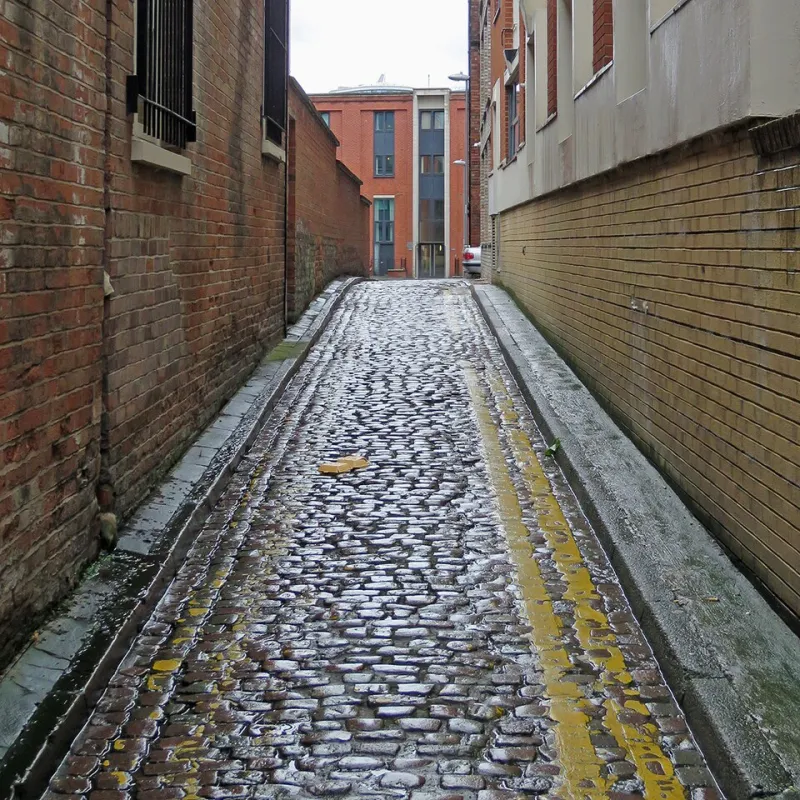
Photo: John Sutton , CC BY-SA 2.0, via Wikimedia Commons
Every UK break starts with a small act of faith. You book in spring, you travel in October, and somewhere between those two points the forecast decides to have an opinion. The trick isn't finding a hotel where it never rains — no such place exists, and the ones claiming otherwise are working from a brochure printed decades ago. The trick is choosing a stay that keeps working when the weather stops cooperating.
That means looking past the photographs of the terrace and asking a duller, more useful question: what does this place offer on a Tuesday in November, when the clouds have settled in for the day?
Start with location, not luxury
A hotel's weather resilience begins outside its own front door. Within a ten-minute walk, ideally, you want a choice of indoor options: a museum, a gallery, a decent bookshop, a cinema, a covered market, a pool. A market town with a good high street will often serve you better than a remote country house with spectacular views and absolutely nothing to do once the views disappear.
This isn't an argument against remote. It's an argument for knowing which one you've booked. Rural stays can be wonderful in the wet — log fires, long lunches, a jigsaw nobody finishes — but only if the hotel itself is set up to be the destination. If it isn't, you'll spend the afternoon in the car with the heater on.
The questions worth asking before you book
A short email to the property will tell you more than an hour of scrolling. Try these:
- Is there somewhere to dry wet coats and boots? A drying room, a boot room, an airing cupboard — anything. Places in walking country usually have one and are quietly proud of it.
- Can we borrow an umbrella, or is there one in the room? Small thing. Enormous when you're standing in reception watching a squall come sideways down the street.
- What's within walking distance that doesn't involve getting wet? Ask them to name three things. If they can't, that's an answer too.
- Is the lounge actually used? A fire that nobody sits in front of is a photograph, not a facility.
- What happens if our plans change? Some places will hold a table at short notice or point you towards a steam railway that runs whatever the sky is doing.
Ask before you book rather than after. The answers shape the trip far more than the thread count does.
Drying space is the real luxury
Anyone who has walked the Lakes in November knows the particular misery of a waterproof that never quite dries and boots that smell faintly of pond by day three. It isn't glamorous to plan around, but it matters more than most of what appears on a booking page.
When you're comparing rooms, look for details that suggest the hotel expects wet guests: a heated rail in the bathroom, hooks on the back of the door, a tiled floor rather than deep carpet by the entrance, a radiator you're allowed to use. Travelling with a dog? Ask about a towel and a drying spot before you arrive — good places have a routine for exactly this.
Build a backup plan that isn't just the pub
The pub is a fine fallback and, in most of Britain, a dependable one. But an entire afternoon in a pub because nothing else is open is a different experience from a deliberate lunch. Before you travel, spend ten minutes noting three indoor options near your hotel and check their opening days — off-season hours in smaller towns can surprise you, and a museum that closes on Mondays will still be closing on Mondays this year.
Steam railways, cathedrals, independent cinemas, galleries with long indoor rooms, National Trust properties with covered wings: all of these hold up when the forecast turns. So does a good second-hand bookshop and a café that doesn't mind you lingering.
Pack like the forecast is wrong
Because it probably is, in one direction or the other. A waterproof that folds small, a spare pair of shoes, a dry bag for the camera, a hat you won't mourn. Layers beat coats, as anyone who has climbed a hill in sunshine and descended it in hail will tell you.
The point of all this
A weather-proof stay isn't about cancelling the walk or pretending the rain isn't happening. It's about making sure that when the plan changes, the day doesn't collapse with it. Choose a hotel that gives you options — somewhere warm to come back to, somewhere dry to go, and staff who can name both — and a wet week in the Peak District starts to look less like a washout and more like a different kind of good time.
The British weather has never been predictable. Your accommodation, at least, can be.